Core Training Is More Than Abs
What Actually Counts as Core Training?
When most people hear "core training," they immediately think about abs - crunches, sit-ups, planks, and maybe some Russian twists.
Those exercises can certainly train parts of your core, but your core is much more than your abdominal muscles. From a performance physical therapy perspective, it's more useful to view the core as a system that helps create and transfer force while providing stability throughout the body.
Understanding that system will change how you train it.
Your Core Is More Than Your Abs
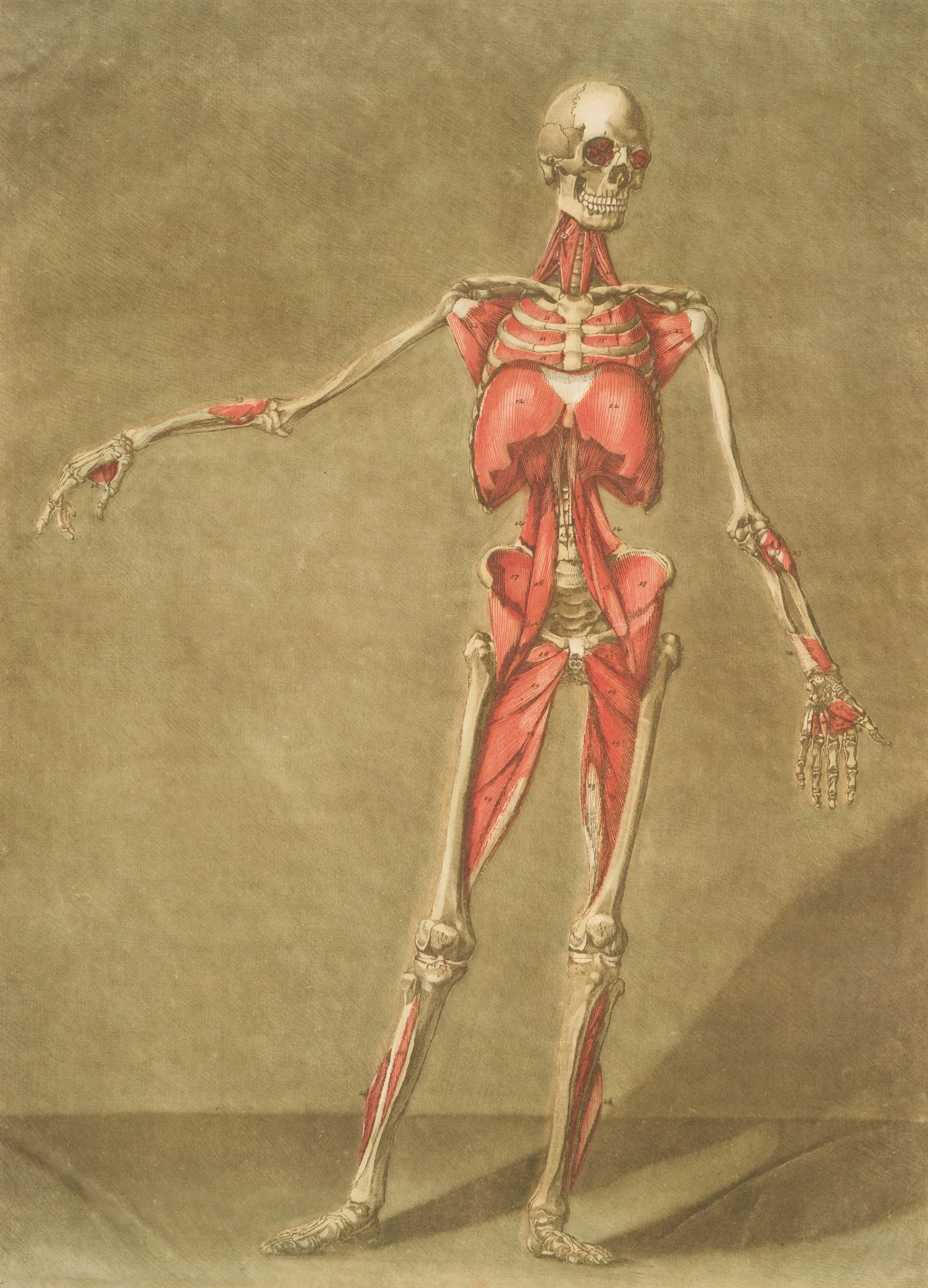
Your abdominal muscles, including the rectus abdominis, obliques, and deeper muscles like the transverse abdominis are certainly part of the equation, but they don't work alone.
Your trunk relies on coordination between your diaphragm, pelvic floor, spinal muscles, and the abdominal wall to help manage pressure and create stability.
Think about picking up a heavy barbell. Before you squat or deadlift, you take a breath and brace. That interaction between breathing, pressure, and muscular tension helps create a stable trunk so your arms and legs can produce force around it.
That's core function.
We can expand this concept a little further.
Your glutes and hip musculature help control the pelvis, and transfer force between your lower body and trunk. Your scapular stabilizers create a stable foundation for your shoulders and upper extremities.
I think of these areas as a "secondary core." They're not technically a part of your abdominal core, but they play an important role in creating stability throughout the entire kinetic chain.
Do Squats and Deadlifts Count as Core Training?
Absolutely.
You don't need to be lying on the floor doing ab exercises for your core to be working.
Squats, deadlifts, carries, Olympic lifts, pull-ups, presses, and many other compound movements require significant trunk stabilization. A heavy deadlift requires your core to resist spinal movement while transferring force from your legs into the bar. A front squat challenges your ability to maintain trunk position under load. A farmer carry requires you to maintain posture while moving with external weight.
These are all forms of core training, but that doesn't necessarily mean compound lifts are the only core training you need.
Find Your Limiting Factor
This is where isolated or targeted core exercises can become valuable.
Your squat might be limited because you struggle to maintain trunk position under heavier loads. Your running mechanics may deteriorate as your trunk and hip muscles fatigue, or maybe you struggle with overhead stability because your scapular stabilizers don't have enough capacity.
Instead of simply saying, "I need a stronger core," ask a better question: what does my core need to be better at?
That might mean improving:
Bracing and trunk stiffness
Rotational control
Lateral stability
Hip and pelvic control
Breathing and pressure management
Muscular endurance
Sometimes targeted exercises are the easiest ways to address those limitations. Once you've developed the capacity in isolation, the goal is then to integrate it back into larger, more functional movements.
Does a Weak Core Cause Low Back Pain?
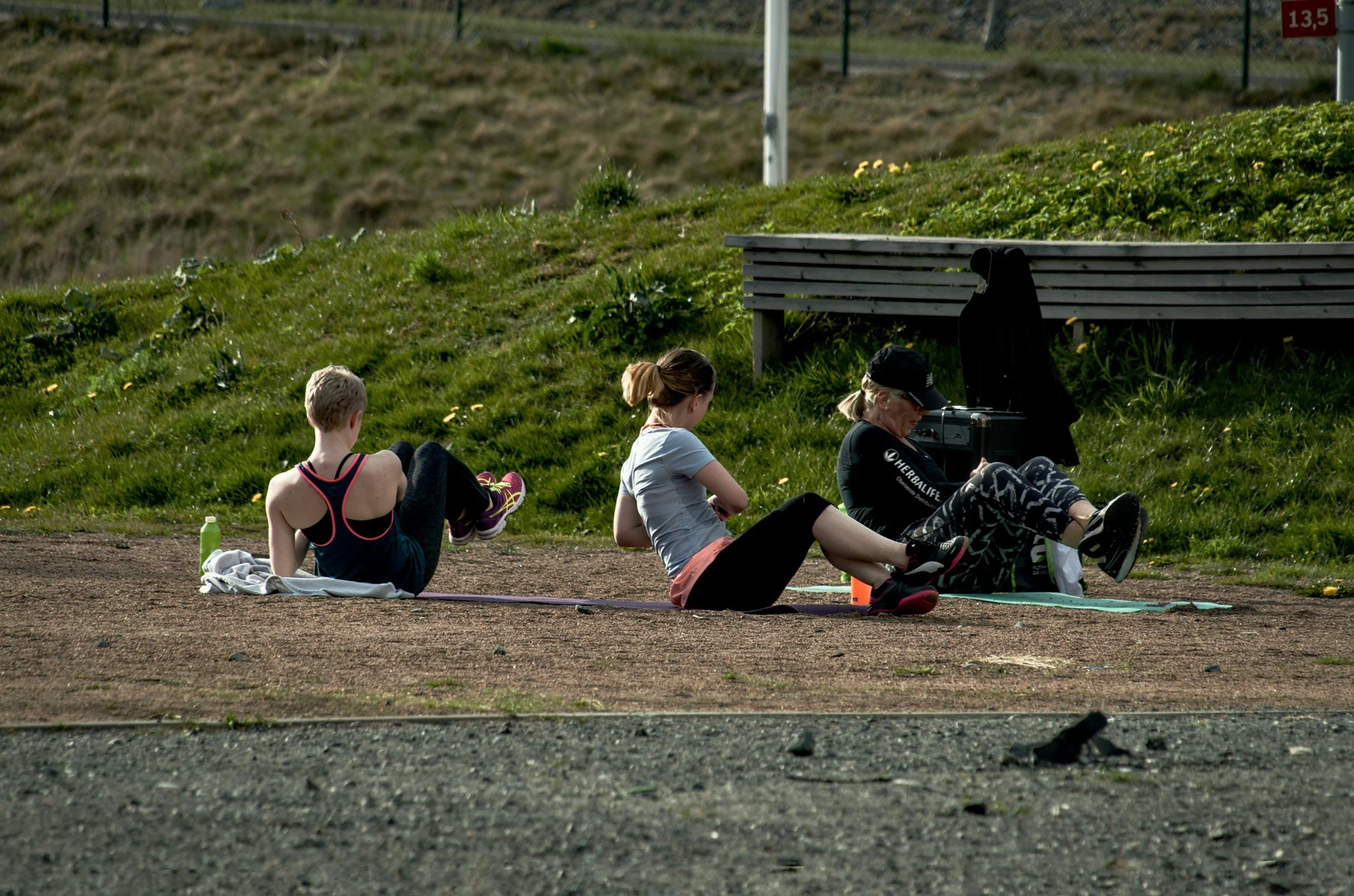
This common myth of a "weak core" causes low back pain was busted here on our blog back in April,
Low back pain is multifactorial. Strength and muscular capacity can certainly play a role, but so can training history, recovery, previous injury, movement demands, and many other factors. Someone can have incredibly strong abs and still experience back pain.
Instead of assuming your core is the problem, take a look at the bigger picture. Did your training volume suddenly increase? Did you dramatically increase your weights? Did you add more running, lifting, or high-intensity workouts than your body was prepared to tolerate?
Often, the issue isn't simply weakness. It's a mismatch between your current capacity and the demands being placed on your body.
Train Your Core for What You Want to Do
Good core training doesn't have to mean adding 20 minutes of ab exercises to every workout.
Compound lifts, carries, running, and athletic movements already challenge your trunk in meaningful ways. Targeted core exercises can then fill the gaps when a specific limitation needs more attention.
The goal isn't just to build stronger abs. It's to build a trunk, hips, and supporting musculature capable of creating stability, transferring force, and tolerating the demands of the activities you love.
And just like any other area of training, pay attention to your volume, intensity, recovery, and rate of progression.
At Power-Up Physical Therapy, we look beyond whether something is "weak". We help athletes and active adults identify what's actually limiting their movement or performance. Then, together, we build the strength and capacity needed to keep training, competing, and doing what they love.