Physical Therapy: It Isn't Just for Injuries
When most people think about physical therapy, they think it’s something that’s needed after something goes wrong.
You hurt your back, tear your ACL, develop shoulder pain, or get surgery. Then you go to physical therapy to “fix” a problem and get back to normal.
Injury rehabilitation is certainly an important part of what we do. But in performance-based physical therapy, like Power-Up PT, it's only one part of the whole picture.
You don't have to wait until you're injured to benefit from working with a physical therapist. In fact, some of the best work we can do together happens before pain or an injury ever forces you to stop.
Shift From Reactive to Proactive
Think about how you approach other areas of your life & health.
You don't wait for a cavity to start brushing your teeth. You don't wait until your car breaks down to change the oil.
Yet when it comes to our bodies, we often wait until something hurts or is broken enough that we can't train, run, ski, hike, or do the activities we enjoy before seeking help.
Performance physical therapy takes a much more proactive approach. Instead of only asking, "How do we get you out of pain?", we also ask, "What does your body need to keep doing the things you love?"
What Can a Performance PT Help With?
A physical therapist understands movement, anatomy, tissue capacity, injury, and rehabilitation.
A performance-based PT, like Power-Up Physical Therapy, takes those same principles and applies them to the demands of training and sport.
This means assessing:
Strength: are there areas that need more capacity for your sport or activity?
Mobility: can you access the depth of the positions and movement your training requires?
Stability and control: can you maintain those positions under load, speed, or fatigue?
Movement: are there strategies that could make movement more comfortable or efficient?
Training: does your current volume, intensity, and progression match your capacity?
Recovery: are you giving your body enough opportunity to recover and adapt to your training?
Sometimes the solution may be modifying your training, adding a few targeted exercises, improving recovery, or developing a plan to gradually increase your workload.
Where Does Manual Therapy Fit?
Performance physical therapy isn't just exercise. We can also utilize highly skilled manual therapy techniques as an important tool within rehabilitation, recovery, and ongoing performance care.
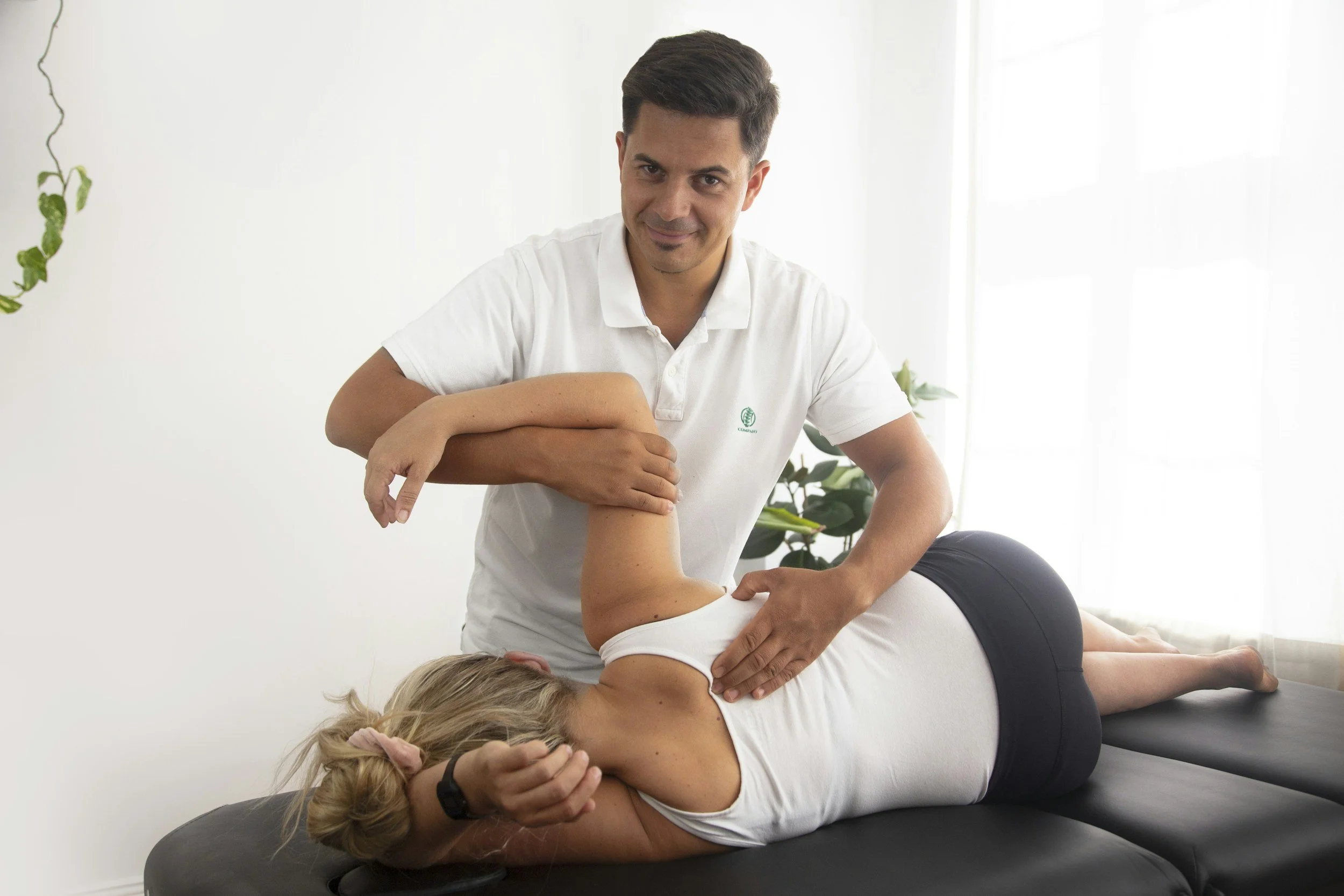
Depending on your needs, these tools may include dry needling, soft tissue mobilization, joint mobilization, spinal manipulation, and other hands-on techniques.
These can be used for more than simply treating an injury. Manual therapy may help reduce pain, improve mobility, decrease excessive muscle tone, and influence neuromuscular function, This creates an opportunity for better quality and more comfortable movement.
Think of it as a potential neuromuscular reset. The goal is to help your body move and feel better. Then we reinforce those changes through exercise and movement.
For someone training hard, hands-on treatment may also fit into a broader recovery or maintenance strategy. Especially when certain areas consistently feel restricted, overloaded, or simply aren't moving as well as they normally do.
But manual therapy isn't the entire plan.
Manual therapy helps create an opportunity for change, but exercise and smart training help you build the capacity to maintain it.
You Can Be Proactive on Your Own, Too
Being proactive doesn't mean you need physical therapy every week. Some of the most important things you can do happen outside the clinic:
Strength train consistently
Maintain your cardiovascular fitness
Include mobility where you actually need it
Gradually progress training volume and intensity
Prioritize sleep, nutrition, hydration, and recovery
Pay attention to persistent aches before they become major limitations
Adjust training when your body is telling you it needs it

A person outside jumping forward with their arms stretched out front, facing a mountain scape in the background.
The goal isn't to prevent every injury. That's unrealistic. The goal is to build enough capacity and whole body awareness that you’re better prepared for all the demands you place on your body.
Don't Wait Until You Have to Stop
Too often, people finally seek help when their options have narrowed. They can no longer squat, run, lift overhead, or participate in their sport without pain.
What if we started the conversation earlier?
Maybe you have a shoulder that's been nagging you. Maybe your hip mobility is limiting your squat. Maybe you're increasing your running mileage, preparing for ski season, or simply want to make sure your training supports your long-term health.
Those are all reasons to work with a performance physical therapist.
At Power-Up Physical Therapy, we don't want physical therapy to be the starting point only once you're injured. We want it to be the resource that helps you stay strong, move well, recover, train intelligently, and continue doing what you love.
Your body works hard for you, give it the care it needs. When you put that much planning into your training, your goals, and being a part of a team, invest in a plan that keeps you moving forward. Make your health a priority.